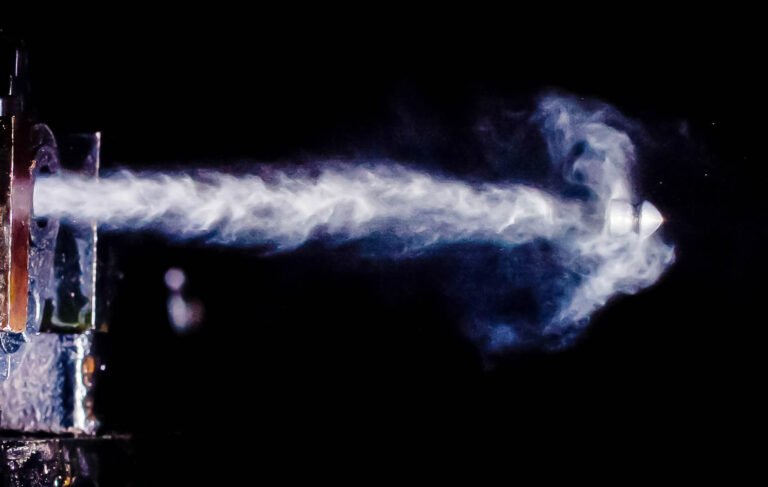
Most thermal imaging is a static observation, but with high-speed FLIR cameras, we gain the ability to see the “pulse” of heat as it moves. By marrying radiometric temperature mapping with high-frame-rate capture, we provide a visual record of thermal transients that are otherwise invisible to the naked eye. This capability is vital for analyzing the friction, combustion, and energy dissipation that define modern engineering challenges.
My work here is about more than just seeing the heat—it is about capturing its velocity and behavior with the synchronization and triggering accuracy that high-stakes research demands. From hummingbirds flying soon after torpor, to radical thermal transients during weapons firing, we can visualize dynamic maps of their temperatures.